

Whole-Home Renovations
Layout changes, updated kitchens and baths and fresh finishes across the house, carried out as a single project on one estimate and schedule.
Oxford, GA and Newton County
Whole-home renovations, kitchens, baths and finished basements taken on by one team under one agreement, so every trade on your job answers to us instead of you.
(000) 000-0000 — one conversation about the entire job
Tell us every room you're considering. We'll sort out which trades it involves and how the pieces would fit into one job.
Carpenters, tile setters and painters are booked, sequenced and supervised by us, not by you.
The written estimate shows each task and its own price before any work begins.
Anything added mid-job is written up with its price and waits until you sign it.
Floor covering and dust barriers go up before tear-out, and the work area is cleaned each day.
Whole-house overhauls and basement finishes pull in the most trades, so they are where one team matters most, with kitchens and baths right behind. ADUs, additions and paint jobs run under the same kind of agreement.
Layout changes, updated kitchens and baths and fresh finishes across the house, carried out as a single project on one estimate and schedule.
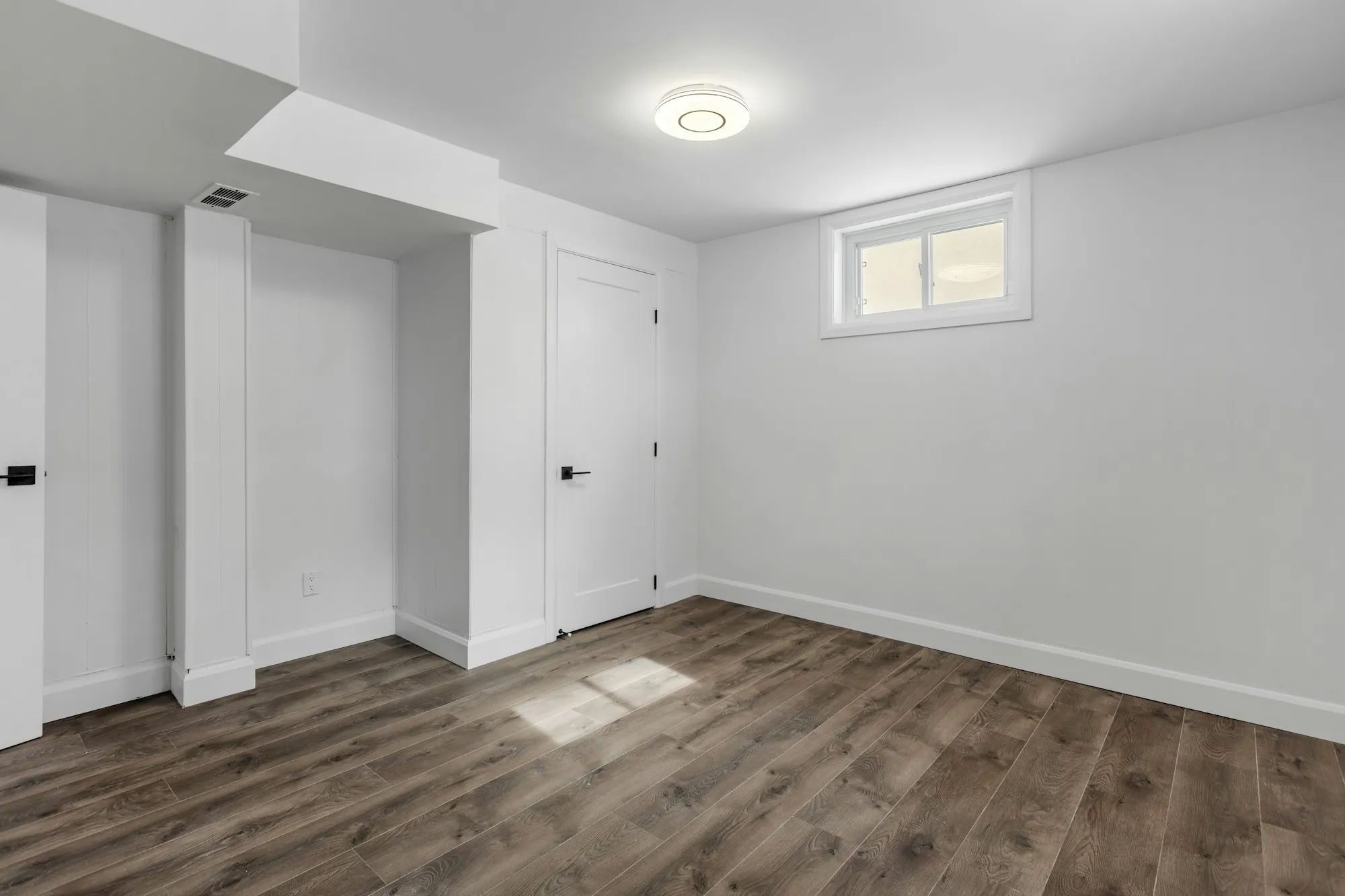
A lower level that actually gets used: family room, office, guest bedroom or bath, built only after the concrete checks out dry.

From a dated vanity swap to a full gut, bathrooms rebuilt with proper waterproofing behind the tile and one contract covering every trade.
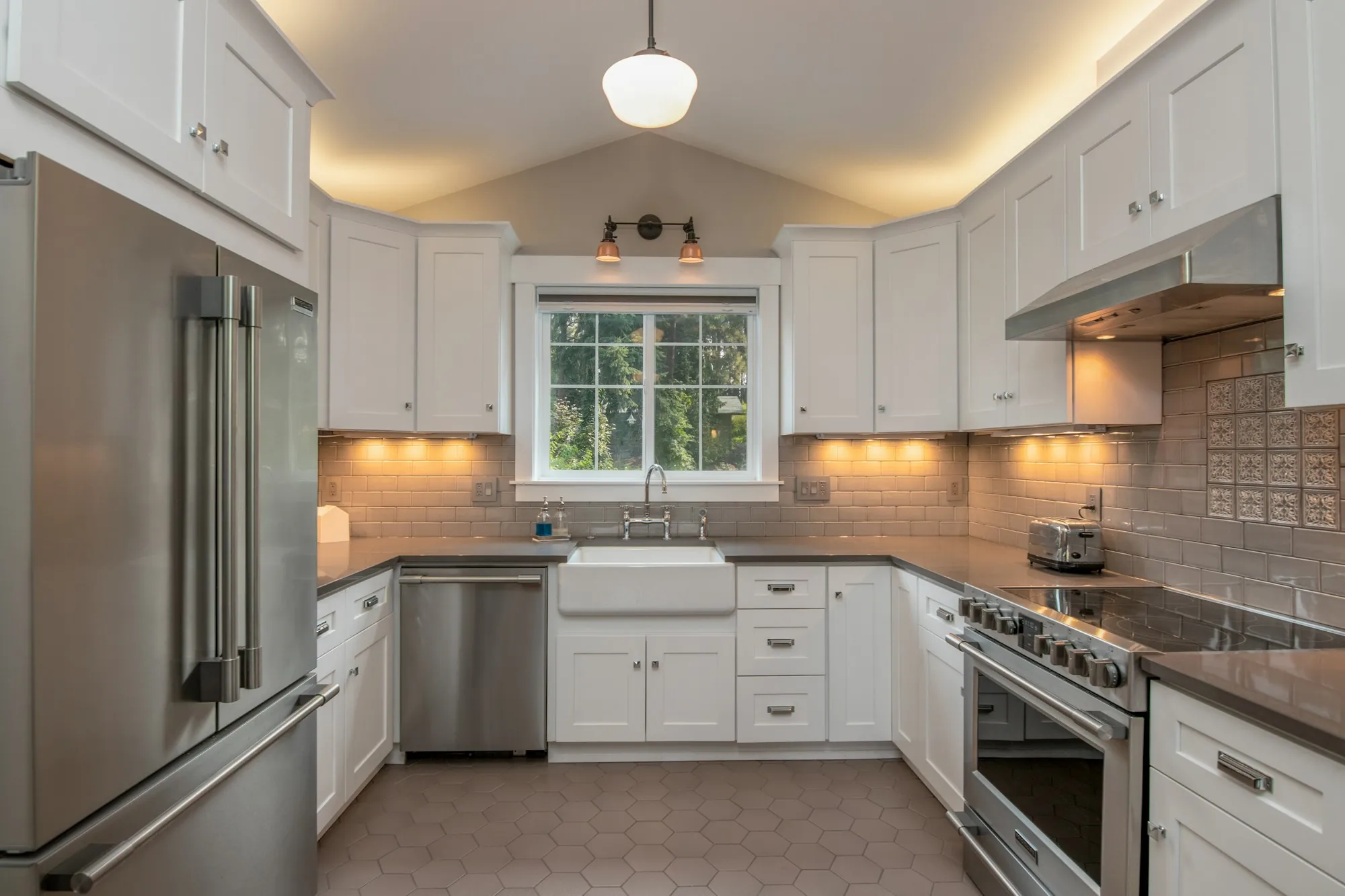
Fresh cabinets and counters in the same footprint, or walls opened for a new layout, with every trade working under one contract.
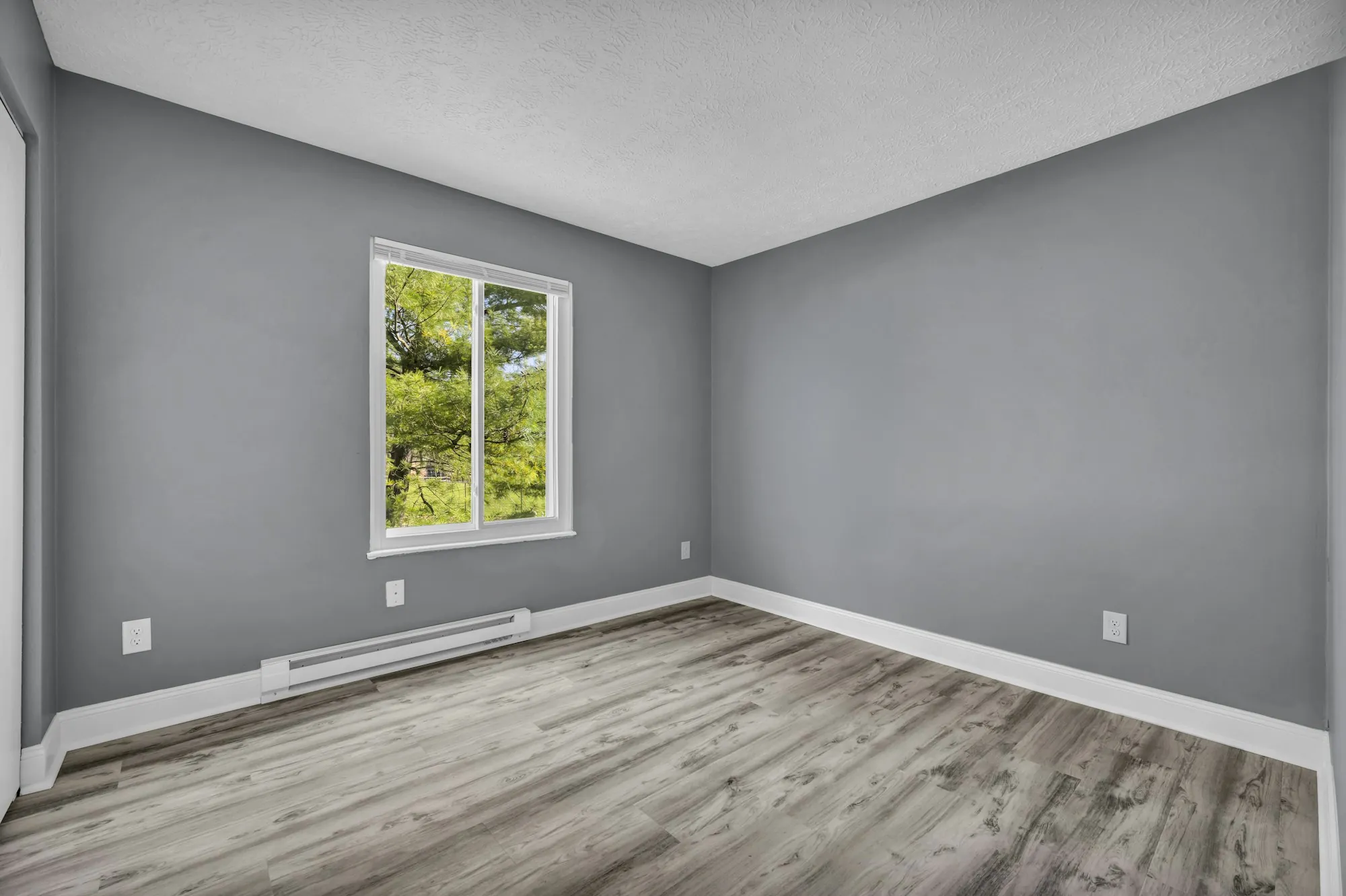
Paint for a few rooms, the kitchen cabinets or the whole exterior, with patching, sanding and priming done before the first color coat.
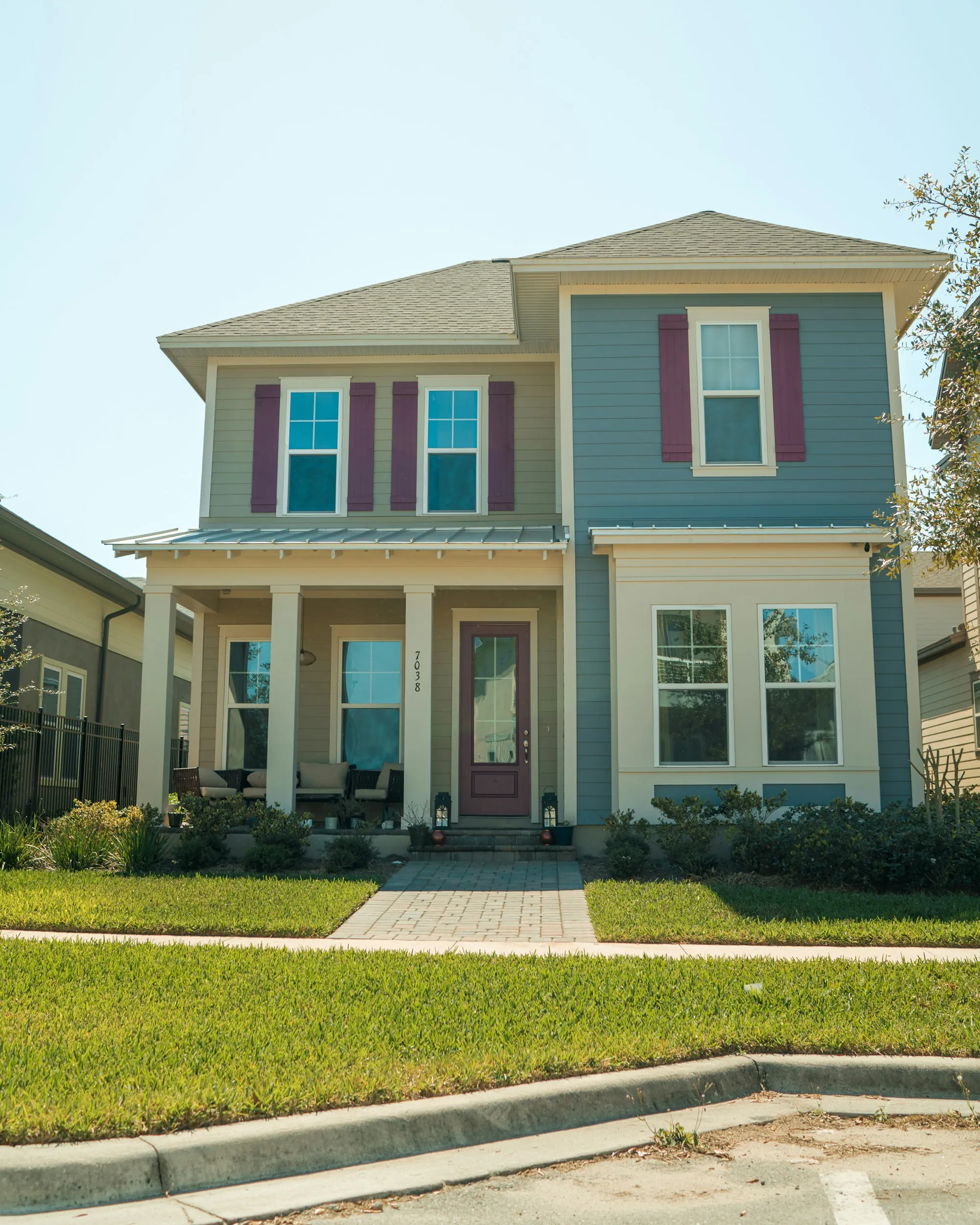
Another bedroom or a ground-floor suite for a relative, added to the house you have by one team, footings to finish.

Room for a parent, grown child or renter, in a backyard unit, attached suite or converted garage, once your lot's zoning checks out.
Handing the whole job to one company only helps if that company runs it in the open. Here is what that looks like day to day.
Before anything is scheduled, you get a written estimate that breaks the job into tasks and materials, each with its own price. If a total looks high, you can see exactly which piece of work it comes from.
Demolition, framing, tile, trim, paint and the pipe and wire changes your new layout calls for are coordinated under one contract. One team decides who shows up when, so you never referee two crews blaming each other.
The schedule reaches you in writing before the start date, followed by regular progress updates as stages finish. When you call or leave a message, you hear back promptly, not after the next phase has begun.
Want a second outlet, or did the crew find a rotted sill once the wall opened? Either way it gets written up as a change order showing the cost, and nobody builds it until you sign.
Floor protection runs along the crew's path, dust barriers seal off the room being worked on, and the area is picked up and swept at the end of every workday.
The same company is on the hook at every step, which keeps the handoffs between steps from getting lost.
On the first call, list every room you're thinking about, even the maybes. We ask about the house and its age, then explain which trades the work would involve and how it would fit together.
When the job looks like a fit, we come by with a tape measure and a flashlight. A soft floor, damp concrete or a breaker box with no open slots changes the scope, so it pays to find them early.
Your itemized estimate and a written schedule cover every trade on the job. Question any line, trim what you can live without, then sign a single agreement for all of it.
We protect the house, bring the trades in order and keep you updated as stages wrap up. Anything new goes on a written change order before it is built, and we finish with a walkthrough together.
If a past project left you relaying messages between the countertop shop and the painter, you know how much time that eats. Tell us about this one, and we'll explain how one team would carry it.
Oxford is where we start from; Covington, Porterdale, Social Circle, Mansfield and Conyers round out the list. Short drives let the team running your job stop by often while the walls are open.
Most take several months, and the type of unit matters most. A garage conversion starts with walls and a slab already standing, so it usually finishes sooner than a detached cottage built from new footings. Cost follows the same pattern, plus the size of the unit, how far water, sewer and power must travel to reach it, and the finishes you choose. The estimate prices each of those separately.
We build it up from the scope. The number of rooms, whether walls come out or drains and gas lines move, what turns up behind old surfaces and the finishes you pick all push the total. Because every trade sits on one contract, a single estimate shows the full cost of a whole-house job, instead of separate bids you have to add up yourself.
Expect a few weeks of actual construction, and the count starts when everything you've picked is on hand, not before. Relocating a shower or toilet, waiting on custom glass or repairing rot under the old floor can stretch that. With one team handling demolition through paint, there are fewer idle days waiting on another company, and your written schedule marks the days the room is out of use.
Often, if it is built to code. Anyone sleeping below grade needs a way out in a fire, usually an egress window or door of the required size, plus enough headroom and smoke alarms, with local code setting the specifics. Before framing, we check the slab and walls for moisture, and the bedroom is planned around those rules from the first layout rather than squeezed in after the walls are closed.
Before any work starts, you get the order of the stages on a written schedule. As each one wraps up, we tell you what finished and what comes next, and if a date has to move, you hear why. Since one team runs every trade, there is a single place to get an answer, and calls or messages are returned promptly.
Mostly whether the layout stays. Keeping the sink, range and refrigerator roughly where they are avoids rerouting water, drain and gas lines. After that come the cabinets, the counter material, any wall that opens up and new circuits for appliances or an island. Each of those is a separate line on your estimate, so you can see what a bigger change adds before deciding.
The same way every time. Whether it's rot under a window, a cracked drain line or an upgrade you decide on halfway through, we show you what's going on and put the work and its price on a written change order. Nothing on it gets built until you sign, and the schedule is updated if the change affects dates.

We're a remodeling company that takes on the full job rather than a piece of it: the scope, the trades, the order they work in and the cleanup. You make the choices about your house. We're the ones you hold to them.

Most homes need more than one thing done. Mention all of them, from the kitchen to a basement you've been meaning to finish, and we'll talk through which belong in one project and which could wait.